AIGuide Course
The modules aim to help STEM faculty members understand how AI tools work, evaluate them critically and use them responsibly to support environmental decisions. The modules also aim to help teachers integrate these practices into their own courses, so that their students, as future professionals, gain the same competencies.
| Module | Main Subtopics | AI Literacy Focus | Green Decision-Making Focus | Teacher Outcome | Suggested Evidence / Assessment |
|---|---|---|---|---|---|
|
Basic Concepts in AI |
Basic concepts in AI; types of AI; AI chatbots in educational contexts; AI tools in education | Conceptual AI literacy; AI vs non-AI distinction; AI tool categories; prompting and human–AI interaction fundamentals | Problem identification; tool suitability; reliability judgement; responsible early-stage AI use | Teachers explain AI fundamentals, distinguish AI tool types and use basic prompting/human–AI interaction strategies in STEM education. | Knowledge quiz; AI/non-AI classification; prompt improvement task; chatbot limitations checklist |
|
Critical Evaluation and Responsible Use of AI |
Evaluation of AI recommendations and outputs; critical judgement of AI-generated information; limitations, bias and transparency | AI output interpretation; hallucination awareness; source triangulation; bias, uncertainty, transparency and ethical constraints | Evidence verification; evaluating alternatives; rejecting unsupported claims; fairness and accountability judgement | Teachers critically evaluate AI-generated outputs and apply responsible AI-use principles in educational and green decision-making contexts. | AI output audit; fact-checking worksheet; bias/transparency scenario; responsible AI-use reflection |
|
AI-Enhanced Green Decision-Making |
Environmental awareness & sustainability consciousness; data- & evidence-based decision-making; resource efficiency & energy-focused decisions; climate policy & institutional decisions; ethics, equity & multi-stakeholder perspectives; systemic & interdisciplinary thinking; sector-specific / discipline-specific applications | AI-supported data interpretation; forecasting; simulation; environmental sensing; scenario and trade-off analysis | Environmental awareness; evidence-based reasoning; resource efficiency; climate/institutional decision-making; ethics, equity and systems thinking | Teachers use AI-supported evidence, simulations and sustainability criteria to frame and guide green decision-making tasks. | Green decision-skills map; data/evidence interpretation task; AI-supported scenario comparison; resource-efficiency case |
|
Case scenarios from Industry |
Topics from best practices report | Use of best-practice and industry case scenarios; contextualisation of AI-supported green decisions; transfer of cases into STEM courses | Case analysis; contextual judgement; discipline-specific adaptation; comparison of practical environmental decisions | Teachers analyse real-life case scenarios and adapt them into course-relevant learning activities for green decision-making. | Case analysis worksheet; course-content adaptation plan; best-practice transfer task |
|
AI-Enhanced Teaching, Learning Design and Assessment |
Designing AI-enhanced learning experiences; generative AI for teaching and learning; AI-supported assessment and learning analytics; critical, ethical and sustainable use of AI for teaching and learning design | AI integration in learning design; generative AI-supported materials; AI-assisted assessment; feedback; learning analytics; responsible educational use | Selecting AI-supported learning strategies; interpreting learner evidence; ethical and sustainable educational decision-making | Teachers design, implement and evaluate AI-enhanced STEM teaching, assessment and learning analytics practices. | AI-enhanced activity portfolio; assessment/feedback plan; implementation reflection; learner feedback analysis |

Basic Concepts in AI
Learn the basic concepts of AI, the different types of AI systems, how AI chatbots work, and the broader toolkit of AI tools used in educational contexts.
Go to Course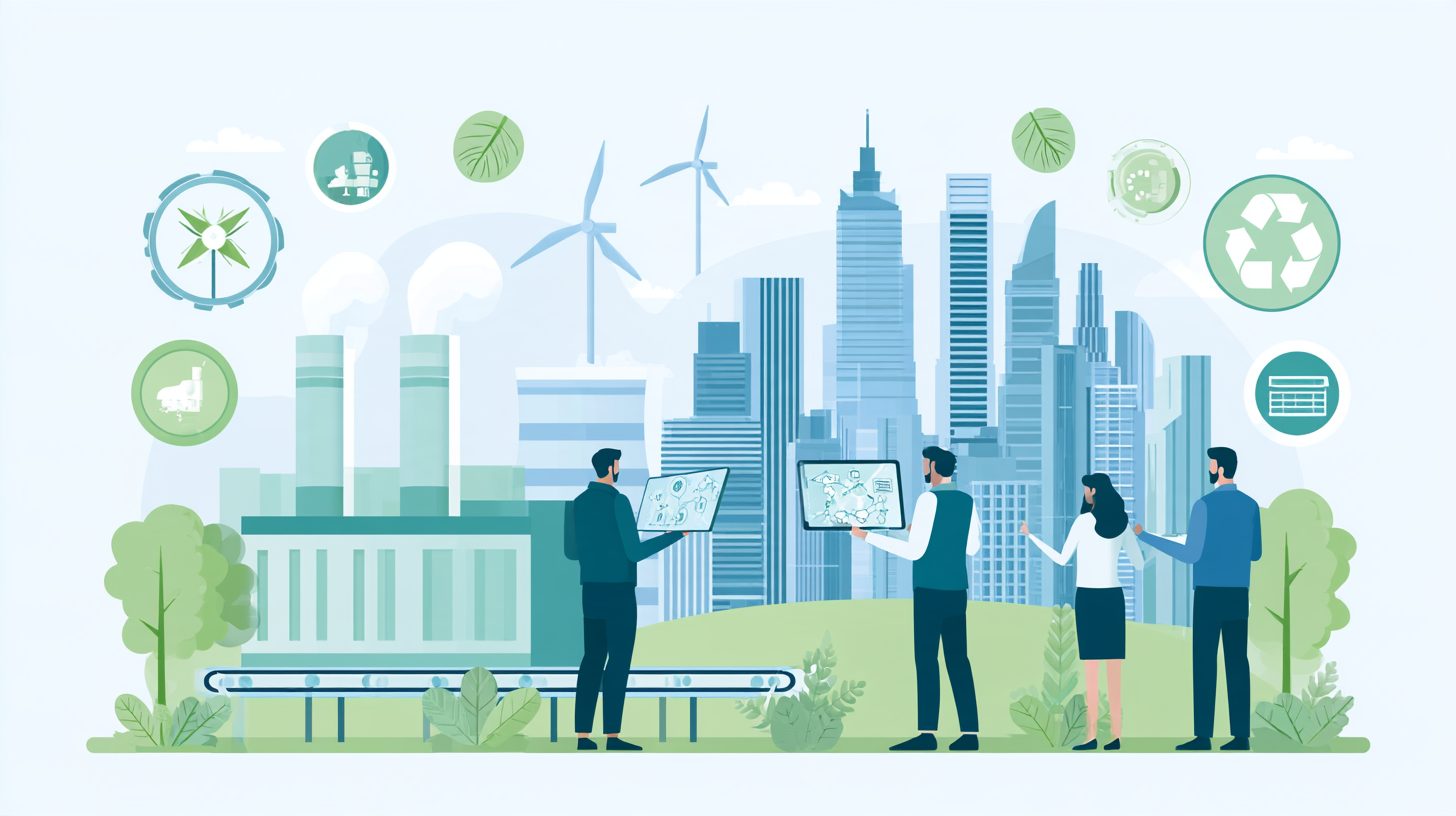
Critical Evaluation and Responsible Use of AI
Develop the skills to critically evaluate AI-generated recommendations, fact-check AI outputs against reliable sources, and recognise the limitations, bias and transparency issues of AI systems.
Go to Course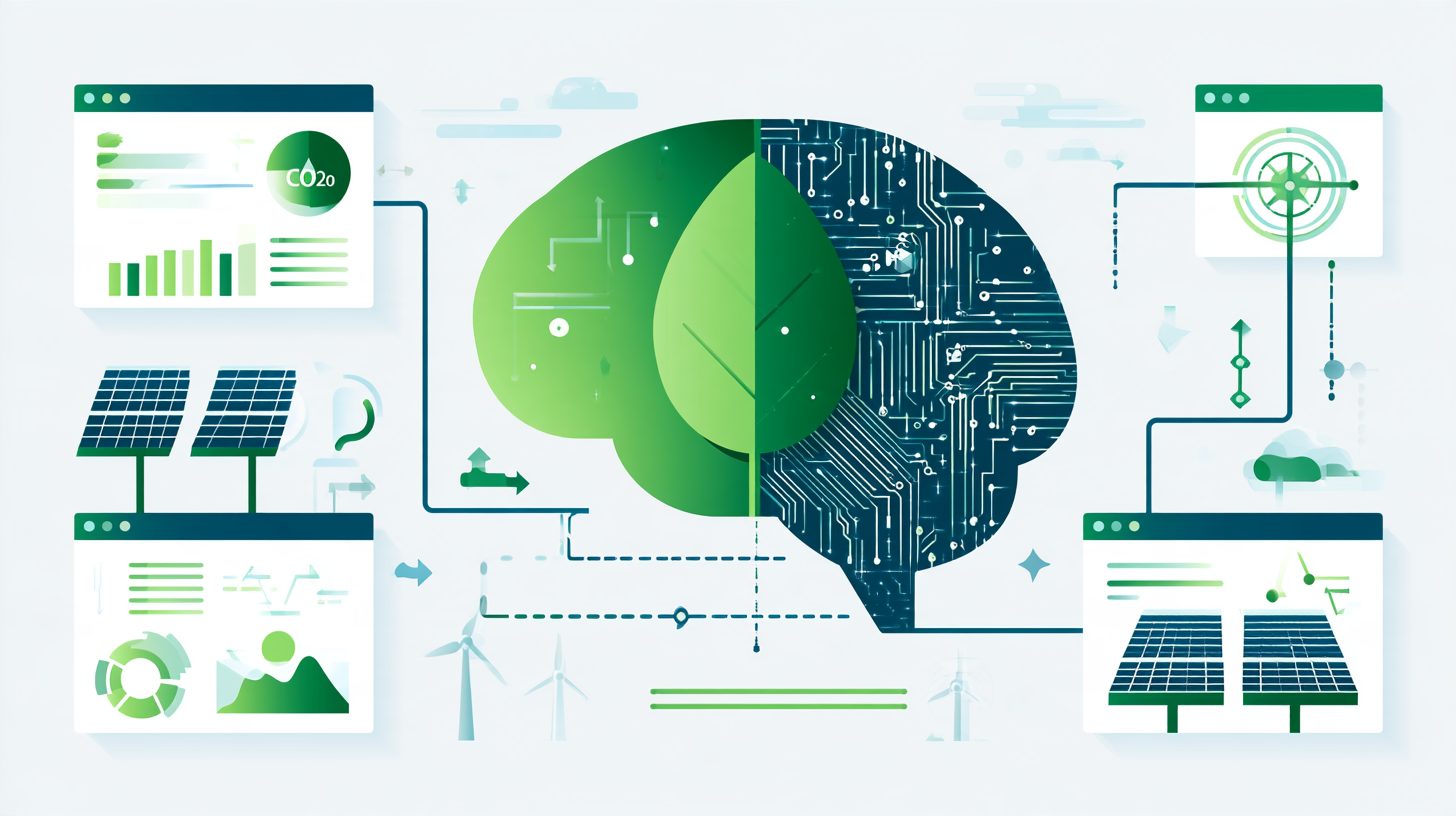
AI-Enhanced Green Decision-Making
Explore how AI supports environmentally responsible decision-making across sustainability awareness, evidence-based reasoning, resource and energy efficiency, climate policy, ethics and systems thinking.
Go to Course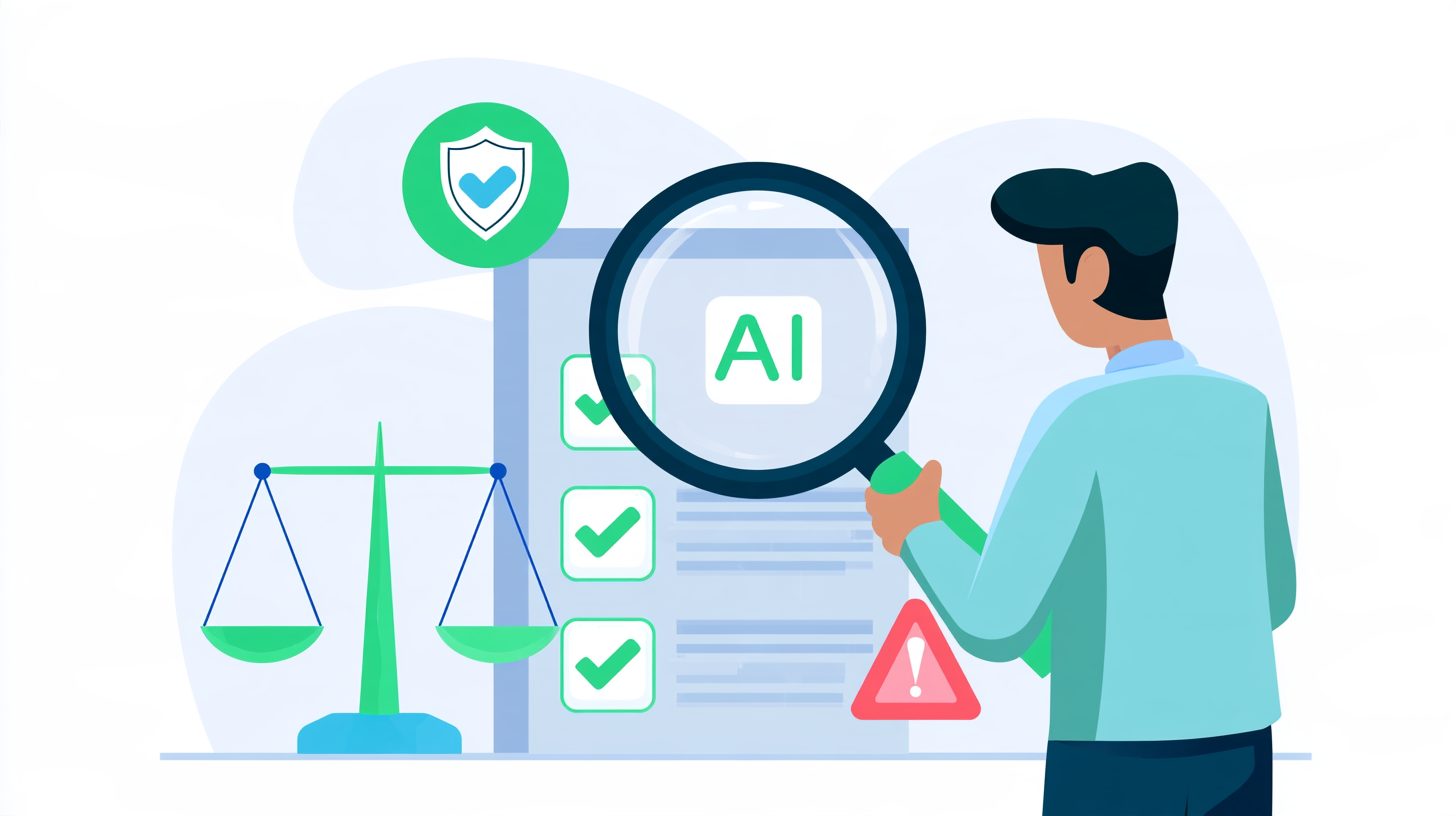
Case scenarios from Industry
Learn how to use real-life examples, cases and scenarios—and how to adapt and design them into case-based classroom activities—for teaching AI-supported green decision-making.
Go to Course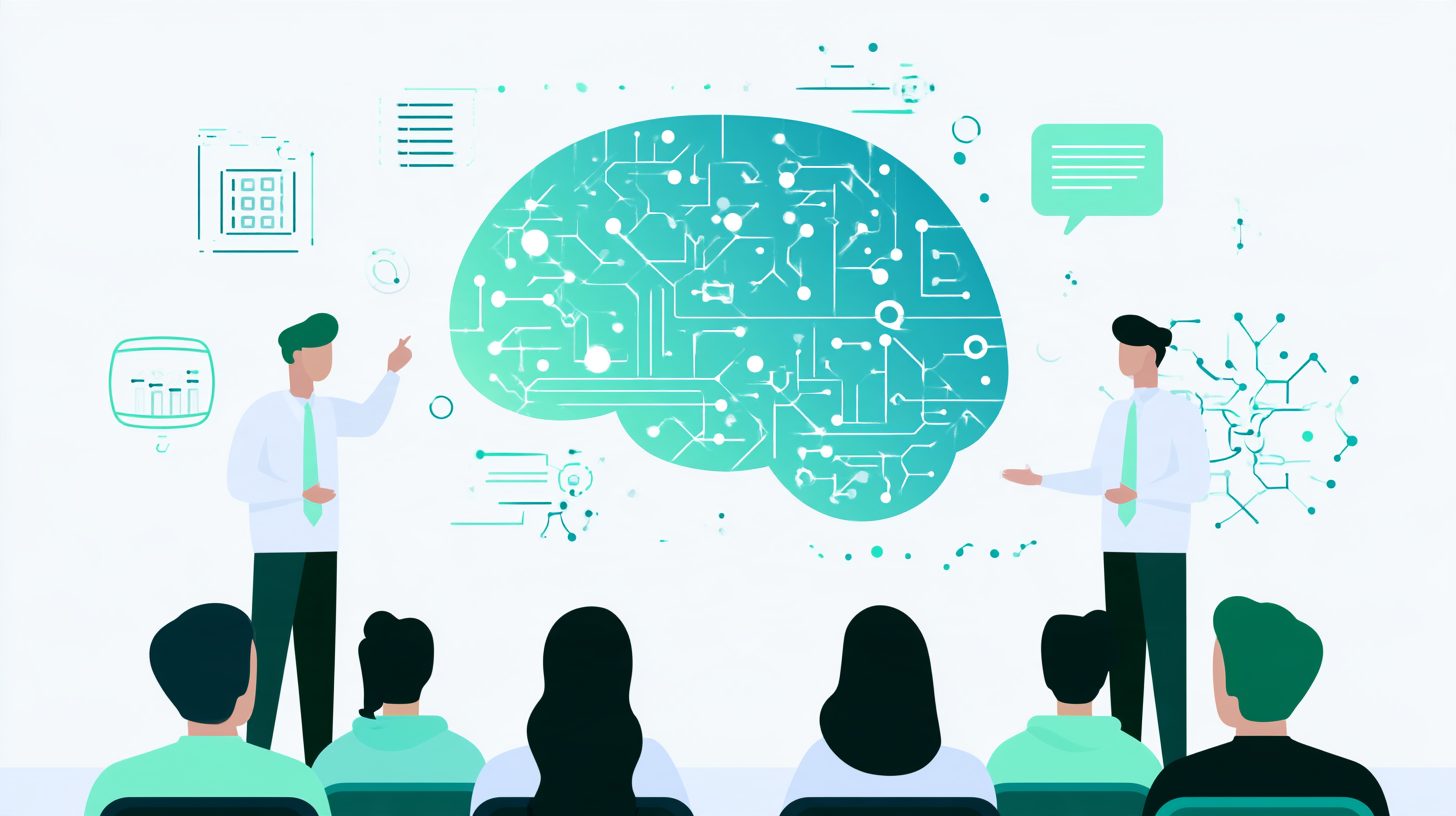
AI-Enhanced Teaching, Learning Design and Assessment
Design AI-enhanced learning experiences, use generative AI for teaching, apply AI-supported assessment and learning analytics, and adopt AI critically, ethically and sustainably in education.
Go to Course